WIC Recertification Process and Renewal Requirements
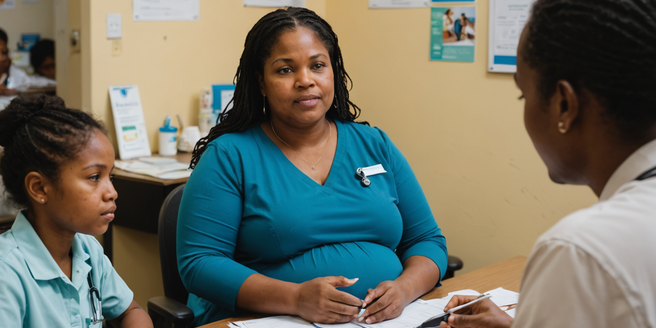
Understanding WIC Eligibility and Income Requirements
WIC eligibility is primarily based on income levels and nutritional risk factors. Households must earn between 100% and 185% of the federal poverty line to qualify. Income limits vary by family size and are adjusted annually. During recertification, caseworkers verify that your household income remains within acceptable ranges. Documentation such as recent pay stubs, tax returns, or proof of benefits helps establish income eligibility. Pregnant women, postpartum mothers, breastfeeding women, and children under five can participate. Nutritional risk is assessed through height, weight, and hemoglobin measurements. Applicants should note that WIC also considers medical conditions and dietary concerns when evaluating nutritional risk. Understanding these requirements helps families prepare proper documentation and ensures continuous program benefits without interruption.
Documentation Needed for Recertification
Successful WIC recertification requires gathering specific documents before your appointment. Essential items include proof of income such as recent pay stubs, tax returns, or benefit statements from unemployment or social services. You’ll need proof of residency like utility bills or lease agreements showing your current address. Identification documents for all household members are mandatory. Bring proof of citizenship or legal residency status. Medical records confirming pregnancy or child ages are necessary. Some programs require proof of participation in other assistance programs like SNAP or Medicaid. Creating a checklist beforehand prevents delays and ensures smooth processing. Having your documents organized and readily accessible will help expedite your appointment and reduce wait times. Contact your local WIC office for a complete list of required documents specific to your state.
Step-by-Step Guide to the Renewal Process
Begin by scheduling a recertification appointment at your local WIC office well before your current benefits expire. Gather all required documentation including income verification and proof of residency. Arrive early with completed forms and bring all household members if required. During the appointment, a WIC staff member reviews your application and verifies eligibility. They conduct health assessments including measurements for children and pregnant women. Nutrition education sessions may be completed during this visit. Your income will be verified against current federal guidelines. Health screening results determine continued nutritional risk status. Upon approval, new authorization documents and benefits are issued. The entire process typically takes one to two hours, though appointment wait times vary.
Common Reasons for Recertification Delays
Recertification delays frequently result from incomplete or missing documentation. Many applicants forget proof of residency or current income verification, requiring additional submissions. Income calculations sometimes create delays when self-employment income requires clarification or recent changes complicate verification. Address changes can cause processing issues when updates aren’t properly recorded in the system. Missed appointments and rescheduling requests extend timelines significantly. Inconsistent information between applications and provided documents triggers additional reviews. Staff shortages at local WIC offices occasionally cause processing backlogs. Citizenship or residency verification may require extra time for certain applicants. Submitting documents well before your recertification deadline gives the office adequate time to conduct thorough reviews. Healthcare provider communication delays can postpone medical documentation verification. Planning ahead and providing complete, accurate documentation minimizes these common delays.
Timeline and Deadlines You Need to Know
WIC certification periods typically last twelve months from approval date. Most agencies notify participants sixty to ninety days before expiration, providing adequate recertification time. Scheduling appointments should occur at least thirty days before benefits expire to ensure processing completion. Applications submitted within thirty days of expiration may experience rushed processing. Recertification must be completed before current benefits end to maintain continuous coverage without gaps. Some states allow online applications or mail-in submissions to expedite processing. Emergency recertification procedures exist for urgent situations or documentation delays. Missing your recertification deadline results in benefit termination requiring reapplication. Reapplication after termination involves complete application reprocessing and longer wait periods. Understanding these timelines helps families plan accordingly and maintain uninterrupted WIC assistance.