Tribal Housing Assistance Programs
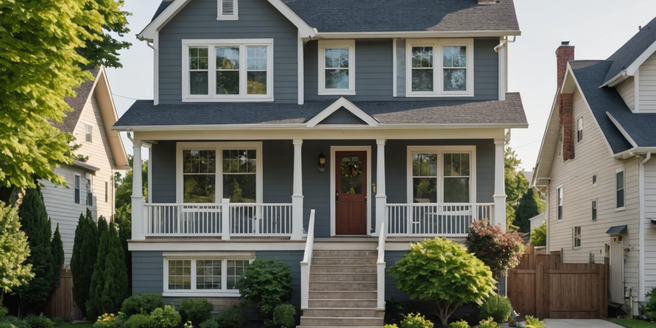
Understanding the Basics of Tribal Housing Assistance
Tribal housing assistance programs are federal initiatives designed to support Native American communities in addressing housing challenges and improving living conditions. These programs recognize the unique circumstances facing tribal nations, including geographic isolation, limited economic opportunities, and historical underfunding. The assistance encompasses various forms of support, from direct grants to low-interest loans and technical guidance. Understanding these programs is essential for tribal members seeking to improve their housing situations. Federal agencies, including the Department of Housing and Urban Development and the Department of Agriculture, administer most programs in partnership with tribal governments. These initiatives aim to promote homeownership, improve existing housing stock, and develop new residential communities that preserve cultural identity while meeting modern standards.
Eligibility Requirements and Application Process
Eligibility for tribal housing assistance varies by program but typically requires applicants to be enrolled tribal members or descendants with documented tribal citizenship. Income limits often apply, with preference given to low to moderate-income households. The application process involves submitting documentation of tribal enrollment, income verification, employment history, and credit information. Many programs require participants to complete homeownership education courses before approval. Applications are submitted through tribal housing authorities or directly to federal agencies, depending on program administration. Processing times typically range from several weeks to months. Applicants should prepare financial documents, identification, and proof of residence. Working with tribal housing advisors can streamline the process and increase approval chances. Different programs have varying requirements, so consulting specific program guidelines is crucial for success.
Types of Programs Available to Native American Communities
Native American communities access diverse housing programs tailored to different needs. The Indian Housing Block Grant provides flexible funding for various housing activities, from new construction to rehabilitation. The Native Hawaiian Home Loan Program specifically serves Hawaiian families seeking homeownership. Rural development programs assist tribes in underserved areas, offering financing and grants. Mutual help programs enable community members to build homes cooperatively, reducing costs through shared labor. Down payment assistance programs help qualified applicants overcome initial financial barriers to homeownership. Emergency repair programs address urgent housing safety issues. Housing counseling services provide guidance throughout the homebuying process. Rental assistance programs support those unable to purchase homes. Lease-to-own arrangements offer pathways toward ownership. Each program addresses specific community needs while respecting tribal sovereignty and cultural values.
Funding Sources and Financial Support Options
Tribal housing assistance funding derives from multiple federal sources, primarily the Department of Housing and Urban Development allocations to tribes. Congressional appropriations annually provide grants and loan authority for housing initiatives. The Indian Housing Block Grant represents the largest funding mechanism, distributing billions nationally. State and local resources supplement federal funding, creating comprehensive support systems. Private lenders partner with federal programs to offer favorable mortgage terms for eligible tribal members. Nonprofit organizations contribute additional grants and technical assistance. Community development financial institutions provide flexible financing options. Some tribes generate revenue through gaming or natural resource management, reinvesting in housing programs. Philanthropic organizations increasingly support tribal housing initiatives. Federal low-interest loan programs reduce borrowing costs significantly. Combined funding streams enable comprehensive housing solutions addressing construction, rehabilitation, and homeownership support.
Success Stories and Community Impact
Tribal housing programs have transformed communities nationwide through sustainable development and homeownership achievements. Many tribes have constructed quality housing reducing homelessness and overcrowding significantly. Success stories highlight families transitioning from substandard housing to safe, stable homes with mortgage equity building. Communities report improved health outcomes as housing quality increases. Economic development follows housing investment, creating construction jobs and local opportunities. Educational achievement improves when children live in stable housing environments. Cultural preservation occurs as tribes design housing reflecting traditional architectural elements. Youth employment increases through apprenticeship programs in construction trades. Property ownership strengthens tribal members’ financial security and intergenerational wealth. Community pride grows with visible neighborhood improvements. Successful programs serve as models for other tribes, sharing best practices and lessons learned. These developments demonstrate housing assistance effectiveness in promoting tribal self-determination and prosperity.