Tribal Healthcare Benefit Programs
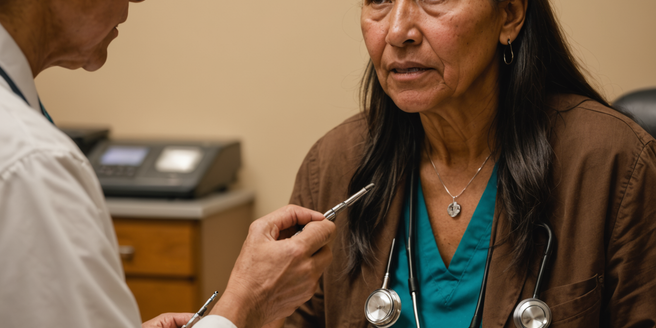
Understanding Tribal Healthcare Systems and Their Unique Structure
Tribal healthcare systems operate under distinctive frameworks shaped by federal law, tribal sovereignty, and cultural values. The Indian Health Service provides foundational support, while tribal nations exercise increasing control over their healthcare delivery. These systems blend Western medicine with traditional healing practices, creating culturally competent care. Tribal health programs address geographic isolation, limited infrastructure, and historical healthcare disparities affecting Native communities. Each tribe customizes its approach based on population needs, available resources, and sovereignty preferences. Understanding this structure requires recognizing tribes as distinct entities with self-determination rights. The organizational hierarchy typically includes tribal leadership, healthcare administration, clinical staff, and community health representatives working collaboratively. Funding mechanisms combine federal appropriations, tribal contributions, and innovative partnerships. This decentralized approach enables responsive, locally-appropriate healthcare while maintaining accountability to tribal governments and community members.
Eligibility Requirements and Enrollment Process for Tribal Members
Tribal healthcare eligibility varies by program and individual tribal requirements. Generally, individuals must document tribal membership through enrollment records or demonstrate Native American heritage through genealogy. The enrollment process typically requires birth certificates, proof of descent from tribal ancestors, and completion of tribal applications. Some programs extend benefits to eligible non-members married to tribal members or residing on tribal lands. Eligibility verification ensures resources serve intended populations while maintaining tribal sovereignty over membership decisions. Documentation requirements protect program integrity while respecting privacy concerns. Initial enrollment involves submitting applications to tribal enrollment offices, background checks, and verification periods. Beneficiaries receive identification cards enabling access to healthcare facilities and services. Renewal requirements vary, with some requiring annual updates while others provide lifetime enrollment. Understanding specific tribal requirements ensures smooth access to healthcare benefits.
Coverage Benefits and Services Available Through Tribal Programs
Tribal healthcare programs provide comprehensive services addressing acute and chronic conditions affecting Native communities. Primary care encompasses preventive screenings, routine examinations, and chronic disease management for conditions like diabetes and hypertension. Mental health services address historical trauma, substance abuse disorders, and behavioral health challenges disproportionately impacting tribal populations. Dental and vision care improve quality of life and overall health outcomes. Reproductive health services, maternal care, and pediatric programs support family wellness across lifecycles. Specialty referrals connect patients with advanced treatments when tribal facilities cannot provide specific services. Prescription medications, medical equipment, and durable goods support treatment adherence. Community health education programs promote prevention and wellness. Emergency services handle urgent medical situations. Transportation assistance removes barriers preventing access to distant medical facilities. These integrated services reflect tribal commitment to holistic health supporting physical, mental, and spiritual wellbeing.
Navigating Federal Funding and Resource Allocation
Federal funding through Indian Health Service appropriations provides primary support for tribal healthcare, though funding remains insufficient for comprehensive needs. Budget processes involve complex negotiations between tribal governments, federal agencies, and congressional representatives. Tribes advocate for increased appropriations addressing healthcare disparities while managing limited resources strategically. Grant opportunities supplement federal funding through competitive proposals targeting specific health initiatives or infrastructure improvements. Tribal nations increasingly pursue innovative funding through partnerships with universities, foundations, and corporate entities. Resource allocation decisions balance emergency needs against preventive investments. Financial transparency and accountability ensure appropriate fund utilization benefiting community health. Understanding funding mechanisms enables tribal leaders to advocate effectively for adequate resources. Many tribes supplement federal funding through tribal enterprises, taxation systems, and healthcare revenue generation. Strategic financial planning maximizes impact while building sustainable healthcare systems serving tribal populations equitably.
Improving Health Outcomes: Success Stories and Best Practices
Tribal healthcare programs demonstrate remarkable successes through culturally integrated approaches improving health outcomes. Community health worker programs employ tribal members providing culturally competent care and health education. Prevention initiatives address leading causes of death including diabetes, heart disease, and substance abuse disorders. Telemedicine innovations overcome geographic barriers connecting remote communities with specialists. Traditional medicine integration honors cultural practices while incorporating evidence-based treatments, enhancing patient trust and engagement. Community partnerships with schools, workplaces, and tribal organizations promote wellness programs supporting healthy behaviors. Data-driven quality improvement initiatives identify gaps and measure intervention effectiveness. Leadership commitment to health equity drives resource prioritization and sustained reform efforts. Educational initiatives build healthcare workforce capacity from tribal communities. Successful programs demonstrate that culturally respectful, community-centered approaches achieve better health outcomes than standardized models. These successes inspire continued innovation addressing persistent health disparities while honoring tribal values and self-determination principles.