Understanding Native American Tribal Benefits
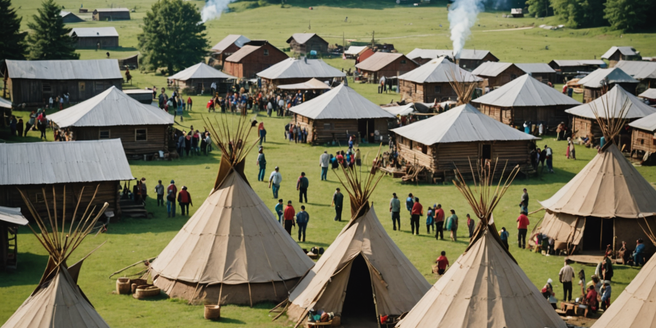
Types of Tribal Benefits Available to Members
Native American tribal benefits encompass a comprehensive range of services designed to support community members across multiple life areas. These benefits include healthcare services, educational assistance, housing support, and economic development programs. Each tribe offers unique benefit packages based on their resources, sovereignty, and specific community needs. Common offerings include direct financial assistance, childcare support, and elder care services. Tribes may also provide cultural preservation funding and language revitalization programs. Job training initiatives help members develop employment skills, while business development grants support entrepreneurial ventures. Some tribes offer utility assistance and food programs for struggling families. Legal services and counseling are frequently available to address various personal and community challenges. Understanding available benefits requires direct communication with tribal administration offices, as eligibility criteria and program specifics vary significantly between tribes and may change based on funding availability and community priorities.
Healthcare Services and Medical Coverage
Tribal healthcare systems provide essential medical services to enrolled members, often combining traditional practices with modern medicine. The Indian Health Service administers many programs, though tribes increasingly manage their own health facilities independently. Preventive care, emergency services, dental treatment, mental health counseling, and prescription medications are typically covered. Many tribes offer free or low-cost services to members, reducing healthcare burdens on vulnerable populations. Maternal and child health programs ensure proper prenatal care and pediatric services. Chronic disease management addresses conditions prevalent in tribal communities, including diabetes and hypertension. Mental health and substance abuse treatment programs recognize unique cultural contexts and trauma histories. Vision and hearing services support overall wellness. Tribal health facilities may utilize telemedicine to reach remote community members. Coordination between tribal health systems and federal Indian Health Service resources maximizes coverage. Members should verify specific services available through their particular tribe’s health department.
Education Assistance and Scholarship Programs
Educational support represents a critical investment in tribal futures, offering scholarships, grants, and tuition assistance for members pursuing higher education. Many tribes fund tribal colleges providing culturally relevant education and workforce development programs. Undergraduate and graduate scholarships help members attend universities nationwide, reducing financial barriers to academic achievement. Vocational training programs prepare students for skilled trades and technical careers. K-12 educational support includes tutoring, mentorship, and college preparation initiatives. Some tribes fund study abroad programs and research opportunities for students. Book vouchers and technology access programs remove educational obstacles. Adult education and GED programs support lifelong learning and career advancement. Educational counselors guide members through application processes and financial aid navigation. Tribal scholarships often include cultural components emphasizing community responsibility and indigenous knowledge preservation. Return-of-service agreements may require graduates to work in tribal communities. Early intervention programs identify talented youth and nurture academic excellence from elementary levels.
Housing Support and Land Trusts
Tribal housing programs address critical shelter needs through construction assistance, home repair funding, and rental subsidies for low-income members. Land trusts held in federal trust provide housing security by preventing forced displacement through property taxes or foreclosure. Down payment assistance enables homeownership opportunities for qualified applicants. Emergency housing programs offer temporary shelter during crises and natural disasters. Weatherization programs improve home energy efficiency while reducing utility costs for vulnerable populations. Home improvement grants support structural repairs and accessibility modifications for elders and disabled members. Some tribes construct affordable housing developments maintaining cultural architectural styles and community connectivity. Homeownership education programs teach financial management and property maintenance skills. Homeless prevention services provide intervention and support for at-risk individuals and families. Housing navigation services connect members with available resources and application processes. Priority housing assistance often supports elders, families with children, and individuals with disabilities, ensuring equitable resource distribution.
Economic Development and Employment Opportunities
Tribal economic initiatives create sustainable employment and business development pathways strengthening community self-determination. Job training programs develop workforce skills matching tribal and regional economic demands. Employment placement services connect qualified members with available positions within tribal enterprises and local businesses. Entrepreneurship support provides business planning assistance, startup funding, and ongoing mentorship for member-owned enterprises. Cooperative development programs enable collective economic ventures benefiting multiple community members. Procurement preferences prioritize contracting with tribal businesses, generating revenue and employment. Youth employment programs teach work skills and professional development to younger generations. Tuition reimbursement encourages employee skill advancement and professional certification. Tourism enterprises, gaming operations, and natural resource management create diverse income sources. Financial literacy programs build banking and investment knowledge. Microfinance institutions provide small loans for business development. Some tribes operate their own enterprises returning profits to community development, education, and healthcare programs.
Navigating the Application Process and Eligibility Requirements
Understanding application procedures and eligibility criteria ensures successful access to tribal benefits requiring careful documentation and submission. Tribal enrollment represents the foundational requirement for most benefits, requiring proof of ancestry and tribal citizenship. Residency requirements vary by tribe and program, with some services prioritizing on-reservation members while others serve all enrolled citizens. Income eligibility thresholds determine qualification for means-tested assistance programs. Application deadlines require advance planning and timely submission to tribal administration offices. Documentation needs typically include birth certificates, enrollment cards, identification, and proof of income. Staff assistance helps members complete complex applications accurately. Appeal procedures exist for applicants denied benefits, allowing reconsideration of decisions. Online portals increasingly streamline application submissions and status tracking. Regular benefit eligibility reviews ensure continued qualification and program compliance. Direct communication with tribal social services departments clarifies specific requirements and deadlines for desired programs.