SNAP Farmers Market Nutrition Benefits
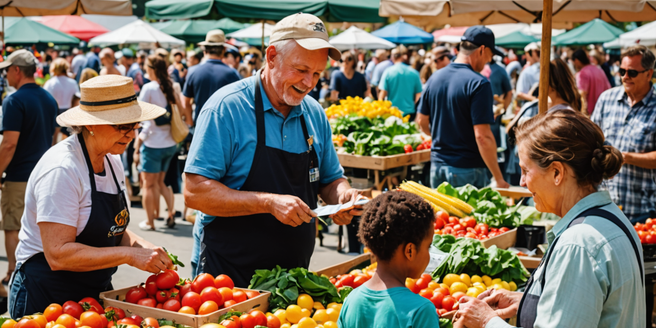
Understanding SNAP Benefits and Farmers Market Access
SNAP, the Supplemental Nutrition Assistance Program, empowers low-income families to purchase nutritious food. Many farmers markets now accept SNAP benefits, making fresh produce accessible to those who need it most. This expansion bridges the gap between government assistance and local agriculture. Participants can use their EBT cards at participating vendors to buy fruits, vegetables, and eligible foods. Understanding your local market’s SNAP policies ensures you maximize this valuable resource. Contact your state’s SNAP agency for a list of authorized markets in your area. The program recognizes that nutrition equity matters, and farmers markets represent a direct path to fresher, healthier food options than many traditional grocery stores offer to underserved communities.
How SNAP Dollars Stretch Further at Local Farmers Markets
Farmers market prices often reflect direct-from-producer economics, eliminating middlemen markups. SNAP recipients discover their benefits purchase more fresh produce here than at conventional supermarkets. Many markets offer matching incentive programs where additional funds double your purchasing power. These initiatives, like SNAP match programs, provide extra credits when you spend SNAP dollars on fruits and vegetables. Vendors at farmers markets frequently offer seasonal produce at lower prices than grocery chains. Shopping strategically during peak harvest seasons maximizes your nutrition budget further. Understanding which vendors accept SNAP and when peak seasons occur helps you plan purchases effectively. This economic advantage means families can afford diverse, nutrient-dense foods supporting better health outcomes and improved dietary variety.
Fresh Produce Quality: Why Farmers Markets Outshine Conventional Stores
Farmers market produce arrives at peak ripeness, picked recently rather than transported across lengthy supply chains. This proximity means superior nutritional content and exceptional flavor profiles compared to supermarket alternatives. Conventional stores often stock produce picked prematurely to withstand transport and storage, sacrificing nutrients and taste. Direct farmer relationships guarantee transparency about growing practices, pesticide use, and harvesting methods. You can ask vendors directly about their farming techniques and food safety practices. Farmers markets typically feature heirloom and specialty varieties unavailable in standard grocery chains, expanding nutritional diversity. The shorter time from harvest to consumer table preserves vital vitamins and minerals. SNAP participants gain access to genuinely superior nutrition, not just affordable food, but genuinely premium quality supporting long-term wellness.
Building Stronger Communities Through SNAP and Local Agriculture
When SNAP recipients shop at farmers markets, money circulates within local economies, strengthening community resilience. Farmers gain sustainable income, enabling farm expansion and local job creation. This economic multiplier effect supports schools, infrastructure, and services throughout communities. Farmers market environments foster social connections among neighbors, reducing isolation and building social capital essential for wellbeing. Direct relationships between farmers and customers create trust and shared investment in community health. Supporting local agriculture preserves farmland from development and maintains agricultural heritage. SNAP-eligible communities gain gathering spaces promoting civic engagement and belonging. Children exposed to farmers markets develop healthier food relationships and agricultural awareness. These interconnected benefits extend far beyond nutrition alone, creating vibrant, economically stable neighborhoods where families thrive together.
Seasonal Eating for Optimal Nutrition: A Farmers Market Guide
Seasonal produce offers peak nutritional density, containing maximum vitamins and minerals when naturally ripened. Spring brings nutrient-rich greens and asparagus; summer offers berries and stone fruits; fall features squash and root vegetables; winter provides hardy greens and citrus. Eating seasonally reduces food miles and environmental impact while supporting farmer profitability. Rotating produce selections ensures varied micronutrient consumption supporting comprehensive health. Farmers markets prominently feature current-season options, naturally guiding nutritious choices. SNAP recipients shopping seasonally maximize nutritional value per dollar spent. Seasonal variety prevents dietary boredom while protecting against nutrient deficiencies linked to limited food intake. Learning seasonal availability helps meal planning and budgeting. This approach reconnects us with natural rhythms while supporting sustainable agriculture and optimal personal nutrition simultaneously.
Getting Started: Tips for Using SNAP at Your Local Farmers Market
Begin by locating SNAP-authorized farmers markets in your area through your state’s agriculture department website. Verify your EBT card works at specific vendors since not all market participants accept SNAP. Arrive early for optimal produce selection and vendor availability. Bring cash for vendors accepting only traditional payment methods for non-eligible items. Ask vendors about matching programs offering bonus purchasing power for SNAP users. Start with familiar favorites while exploring new seasonal produce to expand culinary horizons. Build relationships with regular vendors for personalized recommendations and potential discounts. Attend during peak hours when selection peaks but avoid overwhelming crowds by visiting mid-morning. Take advantage of educational opportunities some markets offer about preparation and storage. These practical steps transform farmers market shopping into accessible, enjoyable experiences maximizing both nutrition and community connection benefits.