Federal Disaster Relief Assistance
Understanding the Basics of Federal Disaster Relief
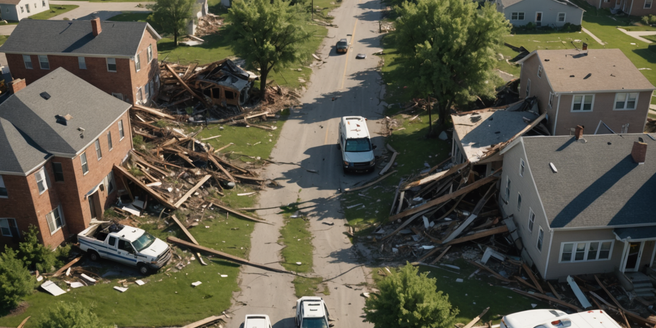
Federal disaster relief assistance provides critical support to individuals, families, and communities affected by natural disasters and emergencies. This system, primarily administered through the Federal Emergency Management Agency (FEMA), offers various forms of aid including temporary housing, emergency repairs, and financial assistance. The program operates on the principle that disasters often overwhelm local and state resources, requiring federal intervention. Understanding how these programs work helps survivors navigate the recovery process effectively. Federal assistance complements state and local efforts, ensuring comprehensive support. The system includes both individual assistance for personal losses and public assistance for infrastructure damage. Eligibility typically requires that a disaster be officially declared, triggering access to specific aid programs. These resources prove invaluable during recovery periods, helping restore normalcy and rebuild communities affected by catastrophic events.
Types of Disasters Covered Under Federal Assistance Programs
Federal disaster relief covers a broad spectrum of natural and human-caused disasters. Hurricanes, earthquakes, floods, tornadoes, and severe storms qualify for assistance under standard federal declarations. Winter storms, wildfires, and volcanic eruptions also receive coverage. Additionally, the program extends to certain human-caused incidents like industrial accidents or hazardous material releases. Each disaster type may trigger different assistance mechanisms and resource allocations. FEMA evaluates disaster severity using specific criteria to determine declaration eligibility. Geographic scope and impact assessment influence the type and extent of federal support provided. Declarations can be either major disasters or emergencies, with major disasters providing broader assistance. Understanding which disasters qualify helps communities prepare and residents know what support might become available. The comprehensive approach ensures that diverse disaster scenarios receive appropriate federal response and resources for effective recovery operations.
The Declaration Process: How Disasters Become Federally Declared
The federal disaster declaration process begins when local and state authorities assess disaster impacts and determine that response needs exceed available resources. Governors submit requests to the President, providing detailed damage assessments and resource requirements. The President, through FEMA, reviews these requests using established criteria including deaths, injuries, property damage, and public infrastructure destruction. FEMA coordinates with federal agencies to evaluate feasibility and determine appropriate declaration levels. Once declared, specific assistance programs become immediately available to affected areas. The declaration categorizes disasters as either major disasters or emergencies, each triggering different aid mechanisms. Major disaster declarations unlock the broadest assistance portfolio, while emergency declarations provide limited support for urgent needs. The process typically occurs within days of impact assessment. Understanding this sequence helps communities prepare documentation and follow proper channels for requesting federal support during crisis situations.
Individual Assistance Programs and Eligibility Requirements
Individual assistance programs support disaster survivors facing uninsured or underinsured losses. Eligibility requires residency in officially declared disaster areas and demonstrable disaster-caused losses. Applicants must provide documentation of ownership and losses, including insurance information and property valuations. FEMA evaluates applications against specific criteria ensuring assistance reaches those with greatest need. Programs include temporary housing assistance for those displaced from homes, grants for disaster-caused repairs, and assistance with other serious needs. Income limitations and insurance requirements apply to various programs. Applicants must be U.S. citizens, nationals, or qualified aliens. Documentation requirements include identification, proof of residency, and proof of loss. The application process involves submitting detailed information about damages and needs. Meeting all eligibility criteria ensures maximum assistance approval. Survivors should gather required documentation promptly to expedite processing and receive timely support during recovery.
Public Assistance: Support for State and Local Governments
Public assistance programs provide federal grants to state and local governments for disaster-related infrastructure damage and emergency response costs. Eligible applicants include state agencies, local governments, Indian tribes, and certain non-profit organizations. Assistance covers debris removal, emergency protective measures, and reconstruction of public infrastructure including roads, bridges, and utilities. Documentation requirements include project descriptions, cost estimates, and damage assessments. The program reimburses a percentage of eligible costs, with federal funding typically covering 75 percent while state and local entities contribute 25 percent. Large-scale disasters may increase federal cost-sharing percentages. Project applications must demonstrate cost-effectiveness and compliance with federal requirements. Environmental and historical preservation considerations factor into project approval. Public assistance accelerates community recovery by restoring essential services and infrastructure. Proper documentation and timely submission of applications ensure communities receive maximum federal support for rebuilding efforts.
Hazard Mitigation: Preventing Future Disaster Damage
Hazard mitigation programs help communities reduce vulnerability to future disasters through preventive measures and structural improvements. These initiatives include elevating flood-prone buildings, reinforcing structures against wind damage, and implementing vegetation management in wildfire-prone areas. Mitigation grants fund projects that demonstrably reduce disaster risks and protect lives and property. Communities must develop hazard mitigation plans identifying specific risks and proposed solutions. Funding availability increases significantly following major disasters when mitigation becomes federal priority. Successful projects include seawalls, drainage improvements, and early warning systems. Cost-benefit analysis determines mitigation project eligibility, ensuring federal investments provide long-term protection value. Participating communities strengthen building codes and land-use policies preventing future development in high-risk areas. Mitigation strategies vary by region based on prevalent disaster types. Long-term investment in hazard mitigation reduces overall disaster costs and protects communities from repeated impacts.
How to Apply for Federal Disaster Relief Benefits
Applying for federal disaster relief begins with registering with FEMA as soon as possible after disasters occur. Applicants can register online through the FEMA website, by phone, or in person at disaster recovery centers. The registration process requires basic personal information, residence details, and a description of losses and damages. After initial registration, FEMA sends an inspector to assess property damage and verify losses. Accurate documentation significantly improves application success rates. Applicants should provide insurance information, proof of ownership, and repair estimates. Following inspection, FEMA determines eligibility and benefit amounts. Regular communication with FEMA case workers ensures application progress and addresses any information requests promptly. Appeals processes exist for denied claims or disputed damage assessments. Keeping detailed records of all expenses, repairs, and communications aids the application and potential appeals process. Early registration and thorough documentation streamline the recovery process.
Working with FEMA: Your Guide to the Application Process
Collaborating effectively with FEMA maximizes disaster relief benefits and streamlines recovery processes. FEMA assigns case workers to guide applicants through application procedures and answer questions. Regular contact with assigned case workers prevents delays and ensures timely processing. Responding promptly to FEMA requests for additional documentation expedites applications. Understanding FEMA’s damage assessment process helps applicants prepare property documentation effectively. FEMA inspectors evaluate structural damage, contents loss, and displacement circumstances. Providing detailed damage descriptions and supporting evidence strengthens applications significantly. FEMA can answer questions about eligibility, documentation requirements, and benefit types. Disaster Recovery Centers offer in-person assistance for complex situations or application challenges. FEMA provides interpreters for non-English speakers ensuring communication accessibility. Building positive relationships with FEMA representatives facilitates smoother processes and better outcomes. Participation in FEMA orientation sessions provides valuable information about available programs and application procedures.
Common Challenges and How to Appeal Denied Claims
Denied disaster relief claims often result from incomplete documentation, missed deadlines, or misunderstood eligibility criteria. Common reasons for denials include insufficient proof of loss, duplicate benefits from insurance, or property not being primary residence. Applicants can appeal denied determinations within prescribed timeframes by submitting additional documentation supporting their claims. Written appeals should address specific reasons for initial denials with new evidence or clarification. Professional damage assessors provide independent evaluations supporting appeals for complex cases. Legal aid organizations assist low-income applicants navigating appeal processes and ensuring representation. Preserving original documentation and maintaining communication records strengthens appeal cases. Applicants should request written explanations of denial reasons before submitting appeals. Working with FEMA representatives during appeals increases understanding of requirements and improves approval chances. Persistence through multiple appeal levels sometimes results in claim approval when initial denials prove incorrect or based on incomplete information.
Recovery Resources and Long-Term Support Options
Beyond immediate federal disaster relief, comprehensive recovery resources support long-term community and individual rebuilding. Non-profit organizations provide transitional housing, financial counseling, and case management services extending assistance beyond federal programs. Community development organizations help rebuild neighborhoods and restore social infrastructure. Mental health and disaster counseling services address psychological impacts of disaster experiences. Small business disaster loans supplement personal assistance, helping business owners restore operations. Housing programs assist with mortgage payments and rental assistance for extended displacement periods. Vocational training and job assistance help unemployed disaster survivors regain employment. Grant programs from private foundations and charitable organizations supplement government assistance. Long-term case management ensures survivors access appropriate resources throughout recovery journeys. Community recovery planning engages residents in rebuilding decisions and priorities. Comprehensive recovery approaches recognize that disaster recovery spans years requiring sustained support and resources.