Section 8 Housing Inspection Standards Guide
Understanding HQS Requirements and Baseline Standards
The Housing Quality Standards (HQS) establish minimum requirements for properties participating in the Section 8 program. These standards ensure safe, decent housing for low-income families. HQS covers multiple aspects including structure, systems, and general condition. Properties must meet baseline requirements for sanitation, safety, and functionality. Inspectors evaluate roofing, walls, windows, doors, and overall building integrity. The standards apply uniformly across all Section 8 housing programs nationwide. Understanding these requirements helps landlords maintain compliant properties and avoid costly violations. Familiarizing yourself with HQS guidelines before inspection preparation significantly improves pass rates. Property owners should review official HQS documentation regularly. These standards represent the minimum acceptable housing conditions, not luxury features. Compliance demonstrates commitment to tenant welfare and program integrity.
Property Safety and Structural Integrity Inspections
Structural integrity assessments focus on the building’s foundation, framing, and overall stability. Inspectors examine for cracks, settling, water damage, and pest infestation signs. Roof condition receives particular attention, including materials, leaks, and drainage systems. Windows and doors must secure properly and provide weather protection. Safety hazards like loose railings, broken stairs, or electrical concerns result in violations. Lead-based paint inspections are mandatory in pre-1978 properties. Ventilation systems require proper function to prevent moisture accumulation. Basement and crawlspace conditions indicate potential structural problems. Regular maintenance prevents costly repairs and ensures tenant safety. Professional inspectors identify issues invisible to untrained eyes. Addressing structural concerns promptly protects your investment and maintains program eligibility. Documentation of repairs strengthens compliance records during inspections.
Habitability Standards and Essential Utilities Compliance
Habitability standards ensure tenants have functional utilities and essential services. Working plumbing systems must provide hot and cold water throughout the property. Electrical systems need adequate outlets and proper grounding for safety. Heating systems must maintain comfortable temperatures during winter months reliably. Cooling systems are required in regions with extreme summer temperatures. Kitchen facilities including sink, stove, and refrigerator must function properly. Bathroom fixtures including toilet, sink, and shower require operational status. Natural or mechanical ventilation prevents moisture and odor accumulation. Lighting in all rooms ensures visibility and safety. Water quality testing identifies contamination issues. Utility compliance directly impacts tenant health and quality of life. Properties failing utility standards face immediate violations and lease termination authority. Regular maintenance schedules prevent utility-related failures during inspections.
Common Inspection Violations and How to Address Them
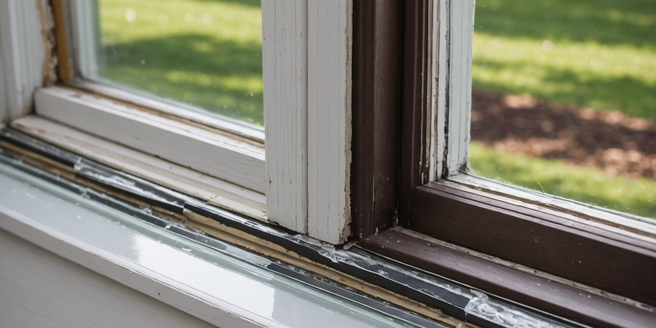
Frequent violations include peeling paint, water damage, and mold growth in bathrooms and kitchens. Broken windows, cracked glass, and damaged screens appear regularly across inspections. Electrical outlets missing covers or showing damage present safety concerns. Plumbing leaks under sinks and toilet running continuously occur commonly. Inadequate ventilation in bathrooms lacks proper exhaust fans or vents. Pest droppings and evidence of infestation trigger automatic failures. Structural cracks, missing drywall, or deteriorated flooring violate standards. Addressing violations requires professional repairs by licensed contractors when necessary. Documentation and photographic evidence of completed repairs support compliance claims. Preventative maintenance identifies and corrects issues before inspections. Promptly addressing violations demonstrates good faith efforts toward compliance. Property owners should prioritize violations based on safety implications and severity levels.
Preparing Your Property for Section 8 Certification
Advanced preparation significantly improves inspection success rates and compliance outcomes. Begin by conducting thorough self-inspections comparing your property against official HQS standards. Document all current conditions photographically for reference and repair tracking. Create detailed lists of necessary repairs prioritized by safety and compliance impact. Address safety hazards immediately including electrical, structural, and environmental concerns. Schedule professional inspections in problem areas like roofing and HVAC systems. Clean thoroughly including removing clutter, debris, and pest evidence. Test all utilities ensuring water pressure, heating, cooling, and electrical function properly. Verify proper paint condition and absence of lead hazards in older properties. Organize maintenance records and repair documentation for inspector review. Consider hiring HQS specialists to identify missed issues before official inspections. Strategic timing between repairs and inspections prevents new violations from appearing. Professional preparation demonstrates landlord commitment to housing quality standards.