Section 8 Owner Responsibilities and Obligations
Understanding Your Role as a Section 8 Landlord
As a Section 8 landlord, you enter into a partnership with the government to provide affordable housing. Your role extends beyond typical landlord responsibilities. You must understand HUD regulations, maintain compliance standards, and accept Housing Choice Voucher payments as part of your rental income strategy. Section 8 landlords agree to follow specific guidelines that protect tenants while ensuring fair compensation. This includes accepting eligible tenants, adhering to rent ceilings, and maintaining properties to federal standards. Many landlords find that the administrative requirements, while demanding, are manageable with proper planning and organization. Your participation helps bridge the affordable housing gap while generating reliable income. Success requires dedication to understanding program rules, maintaining open communication with housing authorities, and prioritizing tenant welfare. By embracing your role conscientiously, you contribute to community stability and gain the benefits of consistent, government-backed rental payments.
Maintaining Habitability Standards and Property Conditions
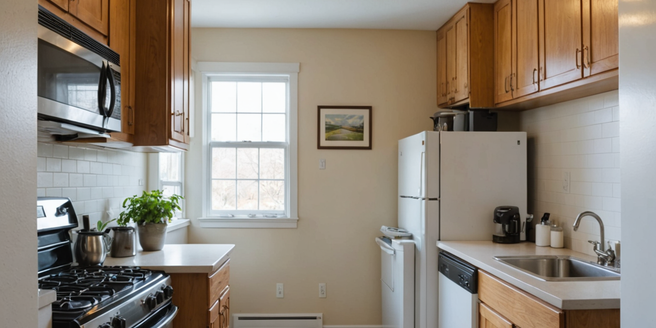
Habitability standards are non-negotiable requirements for Section 8 properties. Your units must meet all local building codes and housing quality standards established by HUD. This includes functioning plumbing, electrical systems, heating, and adequate ventilation. Properties must be structurally sound, pest-free, and safe for occupancy. Regular maintenance prevents code violations and ensures tenant safety. You’re responsible for keeping common areas clean and functional. Paint must be lead-free, and windows should operate properly. Roofs, foundations, and walls require inspection for damage. Climate control systems must work efficiently. Inspectors will conduct unannounced visits to verify compliance with these standards. By maintaining high habitability standards, you prevent costly violations, reduce tenant turnover, and demonstrate professionalism. Proactive maintenance protects your investment while fulfilling your obligation to provide safe, dignified living spaces for voucher-holding families.
Fair Housing Laws and Non-Discrimination Requirements
Fair Housing Laws protect all tenants from discrimination based on race, color, religion, sex, national origin, disability, or family status. Section 8 landlords must comply strictly with these federal regulations. You cannot refuse to rent to eligible voucher holders based on protected characteristics. Advertising must reach diverse audiences without exclusionary language. Application processes must be consistent and unbiased for all applicants. You cannot charge different rates or impose varying lease terms based on protected classes. Accessibility accommodations for disabled tenants are mandatory. Failure to comply results in serious legal consequences, including lawsuits and financial penalties. Fair housing compliance builds community trust and attracts quality tenants. Document all rental decisions objectively. Train yourself on current regulations and maintain transparent policies. By embracing fair housing principles, you operate ethically while protecting your legal standing and reputation.
Rent Limits and Payment Processing Procedures
Section 8 rent limits are established annually by HUD and vary by location. You cannot charge above these maximums regardless of market conditions. Rent includes utilities unless separately metered, which affects the payment amount. HUD calculates tenant contributions based on income; the voucher covers the difference. Payment processing requires accuracy and timeliness. Vouchers must be submitted correctly to housing authorities for reimbursement. Late payments should be reported promptly to program administrators. Understand your local payment procedures, which may include electronic transfers or traditional checks. Maintain clear records of all payments received and outstanding balances. Communicate clearly with tenants about payment expectations and procedures. Disputes require documentation and prompt reporting to housing authorities. By mastering rent limits and payment procedures, you ensure financial stability, maintain compliance, and reduce administrative complications that could jeopardize your program participation.
Lease Agreements and Tenant Rights
Leases for Section 8 tenants must comply with HUD requirements while respecting tenant rights. Your lease cannot include terms that violate housing regulations or penalize voucher participation. Tenants retain all standard legal protections afforded to non-subsidized renters. Lease terms must be written clearly and provided in tenant-preferred languages when applicable. Rent increases must follow lease terms and cannot exceed HUD limits. You cannot evict tenants arbitrarily; legal cause must be documented. Lease provisions should address maintenance responsibilities, quiet enjoyment rights, and property rules. Tenants have rights to reasonable notice before entry except emergencies. Retaliation against tenants for reporting violations is illegal. Include clear grievance procedures in lease agreements. Your lease becomes a contract between you, the tenant, and HUD, creating mutual obligations. Professional, fair lease agreements establish clear expectations and reduce misunderstandings.
Inspection Requirements and Compliance Procedures
Initial inspections occur before tenants move in to verify property meets Housing Quality Standards. Annual inspections ensure ongoing compliance throughout the lease term. HUD-certified inspectors evaluate structural elements, systems, safety features, and habitability factors. Failed inspections must be corrected within specified timeframes, or voucher assistance terminates. You receive inspection notices and opportunities to remedy violations. Common failures include lead paint hazards, code violations, and safety issues. Documentation of all inspection results is essential. Inspections protect both you and tenants by ensuring quality housing. Prepare properties thoroughly before scheduled inspections. Property owners should also maintain detailed records of all maintenance and repairs performed. Address identified issues promptly to maintain program participation. Some inspections are unannounced to prevent false representation. Understanding inspection requirements helps you maintain compliance, avoid funding disruptions, and demonstrate accountability to housing authorities.
Handling Maintenance Requests and Repairs Promptly
Prompt maintenance response is both a legal obligation and a tenant right under Section 8 agreements. Emergency repairs affecting habitability or safety require immediate attention, typically within 24 hours. Non-emergency repairs should be addressed within established timeframes, usually seven to fourteen days. Establish clear maintenance request procedures accessible to all tenants. Document all requests received, including dates and descriptions of issues. Maintain records of repairs completed with dates and contractor information. Failure to address maintenance timely can result in rent withholding or program violations. Some jurisdictions allow tenants to repair and deduct costs if landlords ignore requests. Regular preventive maintenance reduces emergency situations and extends property life. Quick responses demonstrate professionalism and tenant respect. By prioritizing maintenance responsiveness, you prevent habitability violations, maintain tenant satisfaction, and protect your investment from deterioration.
Security Deposits and Move-Out Obligations
Security deposits for Section 8 tenants must comply with state and local regulations governing all tenants. Deposits cannot exceed legal limits or be used to cover normal wear and tear. You must clearly itemize deductions and return deposits within required timeframes. Document property conditions at move-in and move-out with photos and written descriptions. Deductions must be for legitimate damages exceeding normal use, unpaid rent, or lease violations. Tenants have rights to dispute deductions and receive itemized accounting. Return procedures must include tenant forwarding addresses and comply with state law requirements. Interest requirements vary by location; investigate your jurisdiction’s rules. Transparent security deposit handling prevents disputes and legal complaints. Move-out inspections should be conducted professionally with tenant notification when required. Maintaining proper security deposit procedures demonstrates integrity and protects you from claims of unfair deposit handling practices.
Record Keeping and Documentation Best Practices
Comprehensive record keeping is essential for Section 8 compliance and legal protection. Maintain files on tenant applications, lease agreements, inspection reports, and payment records. Document all maintenance requests, repairs completed, and contractor information. Keep copies of all communications with tenants and housing authorities. Photography of property conditions at move-in and move-out provides important evidence. Retain lease violations, notice of non-compliance, and resolution documentation. Payment records should include amounts, dates, voucher numbers, and any discrepancies. Organize records chronologically and maintain backup copies securely. Retention periods vary by location but typically extend several years after tenancy ends. Digital storage provides accessibility and backup security. Proper documentation protects you during disputes, audits, or legal proceedings. Professional record keeping demonstrates compliance, facilitates program audits, and provides evidence of good faith efforts to maintain standards and resolve issues appropriately.