WIC Farmer Market Nutrition Programs
Understanding WIC and Its Nutritional Goals
The Women, Infants, and Children (WIC) program is a federal nutrition initiative designed to support low-income pregnant women, new mothers, and young children. Its primary goal is ensuring adequate nutrition during critical developmental stages. WIC provides eligible participants with nutritious foods and nutrition education to promote healthy outcomes. The program recognizes that proper nutrition during early childhood significantly impacts physical and cognitive development. By focusing on whole foods rather than processed alternatives, WIC encourages healthier eating habits from infancy. Participating families receive vouchers to purchase approved nutritious items including fruits, vegetables, whole grains, and protein sources. The program’s nutritional framework emphasizes preventing diet-related health issues such as anemia and malnutrition. WIC serves as a cornerstone of preventative health care, addressing nutritional gaps in vulnerable populations. Through evidence-based food selections and educational support, WIC helps families establish foundational healthy eating patterns that benefit children throughout their lives.
How WIC Farmer Market Programs Work
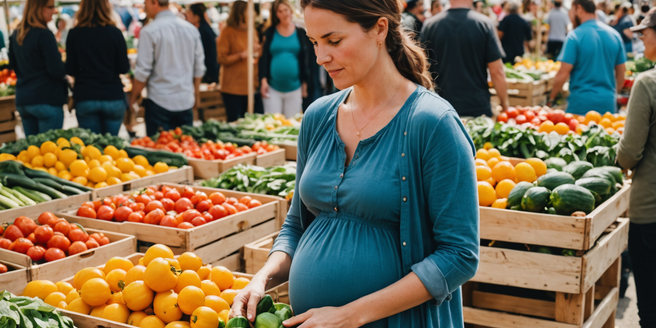
The WIC Farmer Market Nutrition Program (FMNP) extends WIC benefits to local farmers markets, creating a direct connection between low-income families and fresh produce vendors. Eligible WIC participants receive supplemental vouchers specifically designated for purchasing fruits and vegetables at authorized farmers markets. These vouchers function similarly to currency, allowing families to select seasonal produce directly from local farmers. Participating farmers markets must meet specific requirements and register with state WIC agencies to accept these vouchers. The program operates seasonally, typically during peak growing months when produce availability is highest. Farmers receive reimbursement through established processing systems, ensuring prompt payment for their goods. This structure benefits multiple stakeholders: families access fresh, locally-grown produce; farmers gain reliable customers and supplemental income; and communities strengthen local food systems. The program emphasizes nutrition education, helping participants understand produce selection, preparation, and storage. By bridging WIC benefits with farmer markets, the program promotes sustainable food access while supporting agricultural economies.
Eligible Fruits and Vegetables at Participating Stands
WIC Farmer Market programs accept an extensive variety of fresh, unprocessed fruits and vegetables to maximize nutritional benefits and dietary diversity. Eligible produce includes common options like apples, bananas, berries, citrus fruits, melons, and stone fruits. Vegetables approved for purchase encompass leafy greens, cruciferous vegetables like broccoli and cabbage, root vegetables, peppers, tomatoes, and squash varieties. Seasonal variations mean different produce becomes available throughout the year, encouraging families to explore diverse nutritional sources. Fresh herbs and edible plants grown by participating farmers may also qualify. Importantly, processed foods, juices, and pre-cut vegetables typically don’t meet program guidelines, emphasizing whole food nutrition. Individual state programs maintain approved vendor lists specifying acceptable crops at registered farmers markets. This flexibility allows families to select culturally relevant produce while ensuring nutritional quality. By offering extensive produce variety, WIC Farmer Market programs encourage families to experiment with new vegetables and fruits, expanding dietary horizons and supporting comprehensive nutrition.
Benefits for Low-Income Families and Communities
WIC Farmer Market programs generate transformative benefits extending far beyond individual family nutrition. Low-income households gain access to affordable fresh produce, addressing food insecurity and nutritional disparities. Families benefit from reduced healthcare costs associated with improved nutrition and preventative wellness. Children participating in WIC demonstrate better developmental outcomes, school readiness, and academic performance. Communities experience strengthened local food systems as farmer market activity increases and agricultural sustainability improves. The program reduces reliance on processed foods and ultra-convenient options, promoting healthier community-wide eating patterns. Participating neighborhoods witness increased foot traffic at farmers markets, revitalizing community spaces and social connections. Food deserts become less problematic as WIC benefits create demand for fresh produce distribution. Families gain nutrition education and cooking skills, creating generational knowledge transfer. Economic multiplier effects occur as WIC voucher spending circulates through local communities. By addressing nutrition holistically, the program reduces chronic disease prevalence, improves maternal and child health outcomes, and builds resilient, healthier communities for long-term social and economic benefit.
Supporting Local Farmers Through WIC Participation
WIC Farmer Market programs provide crucial economic support to agricultural producers, particularly small-scale and sustainable farmers. Farmers gain predictable customer bases through WIC voucher systems, providing stable income streams during growing seasons. Direct market sales eliminate middlemen, allowing farmers to retain higher profit margins on produce sales. Program participation increases foot traffic to farmers markets, attracting additional non-WIC customers and expanding overall sales opportunities. Farmers benefit from reduced marketing costs as WIC agencies promote program participation and farmers market locations. The program validates sustainable and organic farming practices by connecting health-conscious consumers through established nutrition frameworks. Small farms gain financial viability necessary for long-term operations and business expansion. WIC support enables farmers to invest in equipment, infrastructure, and crop diversity. Beginning farmers particularly benefit from guaranteed customer demand while establishing market presence. By strengthening farmer economics through direct consumer connections, WIC Farmer Market programs support agricultural sustainability, rural economies, and food system resilience for generations.
Getting Started: Steps to Access WIC Farmer Market Benefits
Accessing WIC Farmer Market benefits begins with establishing WIC eligibility through local WIC agencies. Prospective participants must meet income guidelines and nutritional risk criteria established by federal guidelines. Initial application involves documentation of household income, residency, and family composition. Once approved for regular WIC benefits, participants inquire about FMNP voucher availability in their state. Many states provide seasonal supplemental vouchers specifically designated for farmer market purchases. WIC agencies distribute vouchers during peak growing seasons, typically spring through fall months. Participants receive education about authorized farmers markets, eligible produce, and proper voucher use. Locating participating farmers markets requires checking state WIC program websites or contacting local agencies. Participants visit authorized markets with vouchers and valid identification during specified operating hours. Farmers market vendors scan vouchers or record transactions through established systems. Participants select approved fresh fruits and vegetables, asking vendors questions about produce and growing practices. Understanding voucher values, expiration dates, and redemption procedures ensures optimal benefit use.