SNAP Matching Programs at Farmers Markets
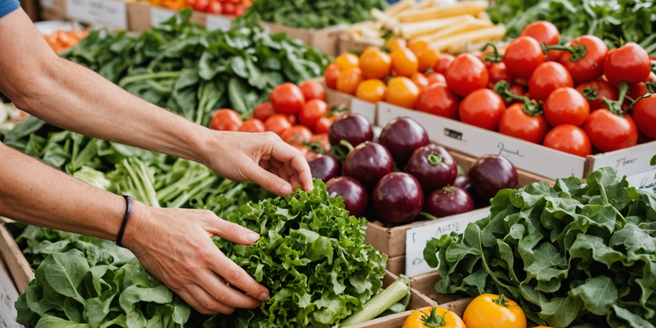
How SNAP Matching Programs Work at Local Markets
SNAP matching programs are designed to increase purchasing power for eligible participants at farmers markets. When you use your SNAP benefits card at participating markets, the program matches your spending dollar-for-dollar, effectively doubling your food budget. For example, if you spend $10 in SNAP benefits, you receive an additional $10 in matching funds to purchase fresh produce and other eligible items. These programs operate through partnerships between government agencies, nonprofits, and market organizations. The matching funds are typically loaded onto a separate card or token system that can only be used at the market. Participating farmers markets promote these initiatives to attract shoppers and support local agriculture. The process is straightforward: present your SNAP card, make your purchase, and receive your match instantly. This initiative particularly benefits families seeking affordable access to nutritious, locally-grown food.
Benefits for Low-Income Families and Food Access
SNAP matching programs create significant economic advantages for low-income families struggling with food insecurity. By doubling purchasing power, these programs allow families to buy more fresh produce, dairy products, and proteins without stretching already limited budgets further. Improved access to nutritious foods supports better health outcomes, particularly for children and pregnant women. The programs reduce the psychological burden of food shopping within tight constraints. Families report greater food security and reduced stress when using matching services. Additionally, these initiatives promote healthier eating patterns by making fresh fruits and vegetables more affordable. Communities benefit from reduced reliance on processed foods and improved nutritional outcomes. The economic stimulus effect supports local farmers and strengthens community food systems. Participating families often become advocates for the program, spreading awareness to neighbors and friends. These programs demonstrate tangible commitment to addressing food inequality and promoting wellness across all income levels.
Finding Farmers Markets with SNAP Matching in Your Area
Locating farmers markets offering SNAP matching programs requires several effective strategies. Start by visiting the USDA’s National Farmers Market Directory online, which identifies markets accepting SNAP and highlighting matching program availability. Contact your local Department of Social Services or SNAP office for comprehensive lists of participating venues. Many state agriculture departments maintain databases of certified markets with matching services. Community nonprofits focused on food access often provide maps and schedules of participating locations. Social media platforms frequently advertise participating markets and their program details. Call ahead to confirm current matching availability and spending limits. Visit market websites or contact market managers directly for detailed program information. Community health centers and food banks often distribute guides listing participating markets. Local newspapers frequently feature articles about farmers markets with SNAP programs. Attending orientation sessions at markets helps you understand how programs operate. Building relationships with market staff ensures you receive accurate information about program participation and benefits.
Maximizing Your SNAP Benefits Through Market Matches
Effective strategies help maximize your matching program benefits. Plan purchases before visiting the market to allocate your SNAP dollars strategically. Prioritize seasonal produce offering maximum nutrition and value. Purchase items in bulk when possible, as markets often offer discounts on larger quantities. Build relationships with farmers to negotiate bulk pricing or special deals. Time your shopping during market peak hours when selection is optimal. Ask farmers about upcoming harvests to plan future purchases accordingly. Consider preserving techniques like freezing or canning to extend produce seasons. Combine matching dollars with senior discounts or other available programs when eligible. Track your spending to understand which items provide best nutritional value. Take advantage of market educational events teaching food preservation and preparation. Learn which farmers offer organic or specialty items within budget constraints. Share knowledge with family and friends about program benefits and strategies. Maintain receipts to understand spending patterns and optimize future purchases. Engage with market community programs offering additional food security resources.
Supporting Local Farmers While Stretching Your Food Budget
SNAP matching programs create mutually beneficial relationships between low-income shoppers and local farmers. Your purchases directly support agricultural livelihoods and small-scale farming operations. Farmers benefit from increased customer volume and consistent sales opportunities. Supporting local farms promotes sustainable agricultural practices and environmental stewardship. Your spending strengthens regional food systems and reduces transportation-related environmental impacts. Building community connections with farmers fosters trust and personal relationships. Local farmers often provide superior freshness and quality compared to commercial distributors. Your patronage encourages farmers to expand operations and hire additional staff. Community-supported agriculture models often emerge from strong farmers market relationships. Supporting local agriculture helps preserve farmland and agricultural heritage in your region. Farmers frequently donate surplus produce to food banks, multiplying your impact. Younger generations entering farming receive encouragement from dedicated customer bases. Your choices influence agricultural practices and crop diversity decisions. Participating in local food economies creates resilience against supply chain disruptions.
Getting Started: Tips for First-Time SNAP Users at Markets
First-time SNAP users at farmers markets should prepare thoroughly before their initial visit. Bring your valid SNAP benefits card and government-issued identification. Arrive early during your first visit to speak with market staff about program procedures. Ask staff to explain how matching funds work at your specific market. Understand any spending limits or restrictions on eligible items. Identify which vendors participate in the matching program. Start with familiar produce items while learning market offerings. Ask farmers questions about their products and growing practices. Request recommendations from market staff and experienced shoppers. Bring reusable bags for carrying purchases. Have small denominations available if markets require cash transactions. Keep receipts documenting your purchases and matching amounts. Visit during less busy times initially to absorb information comfortably. Attend any market orientation sessions or educational workshops offered. Connect with other program participants who can share experiences and recommendations. Return regularly to establish relationships with farmers.